Residents Leave Multifamily Communities for Reasons Developers Often Overlook
KEY TAKEAWAYS
Most residents don't leave a multifamily community because of one dramatic problem. They leave after a pattern of small, everyday friction: noise, awkward shared spaces, inconvenient parking, and amenities that look good but aren't genuinely useful, which wears down what should be a comfortable place to live. Satisfied residents are significantly more likely to renew, stay longer, and recommend their community to others, which means the design decisions that reduce daily friction are also the decisions that protect long-term value. Better multifamily architecture design starts with real resident routines rather than leasing appeal, and that distinction is what separates a property built to lease from one built to last.
Why Does Daily Life in a Multifamily Community Start to Feel Harder Than It Should?
A well-leased building and a well-loved one aren't the same thing. Satisfied residents are 72% more likely to renew their lease, 34% less likely to plan a move within the next year, and roughly five times more likely to recommend their property manager. That gap between "leased" and "loved" usually traces back to multifamily architecture design decisions made long before a resident ever signs a lease.
Turnover is rarely the result of a single bad experience. It's an accumulation of small ones: a bedroom stacked directly over a noisy mechanical room, a floor plan that routes every resident past the loudest part of the building on their way home, a unit with no clear line of sight between the kitchen and where the family actually gathers. Individually, none of these feel like a reason to move. Together, they add up. A property can look impressive on a tour and still wear residents down over twelve months, because "looks great" and "feels good to live in" are not the same standard. A marketable property gets someone to sign; a retainable one, shaped through thoughtful design and disciplined planning, gets them to stay.
“Satisfied residents are 72% more likely to renew their lease, 34% less likely to plan a move within the next year, and roughly five times more likely to recommend their property manager.”
Why Do Noise and Privacy Quietly Decide Whether Residents Renew?
Of all the hidden factors behind resident turnover, noise and privacy may be the most underestimated, and the fix has less to do with materials than with flow. A bedroom placed directly beside a shared stairwell, a bathroom backing up to a neighbor's living room instead of another bathroom, a floor plan with no buffer between a private suite and the corridor outside it: these are pure design decisions, not construction upgrades. Stacking bedrooms over bedrooms instead of over hallways, clustering quiet rooms away from elevators and trash chutes, and giving private spaces a buffer, a closet, a storage wall, before they meet shared circulation are the kinds of choices that determine whether a home feels like a resident's own. Residents rarely file a complaint that says "architecture." They complain about a neighbor or a restless night, without ever naming the design decision underneath it, which makes the impact easy for a developer to miss until renewal numbers start to reflect it.
Why Do Shared Spaces Become Frustrating When They Don't Match Real Routines?
Shared spaces are where the gap between marketing value and lived utility shows up most clearly. A lobby can be aesthetically impressive and still feel impractical to walk through every day. Amenity spaces sit underused because they were placed for visual impact rather than convenience, and laundry, mail, trash, and package areas create daily friction that residents notice far more often than a well-designed common room. A resident's daily experience of a building is shaped less by its best photograph and more by its worst five minutes, which is exactly what smart planning and the right design approach are meant to fix.
Which Everyday Details Actually Drive Move-Outs?
Developers often invest heavily in visible features while underinvesting in the invisible daily touchpoints residents interact with far more often. Here's a look at the friction points that matter most, and what better design does about each one:
| EVERYDAY FRICTION POINT | WHY IT DRIVES MOVE-OUTS | WHAT BETTER DESIGN DOES INSTEAD |
|---|---|---|
| Parking and guest parking conflicts | Turns a daily errand into a recurring parking spot negotiation | Plans for visitor volume, not just unit counts |
| Package delivery and pickup | Creates congestion, missed deliveries, and frustration | Dedicated, secure package areas sized for actual demand |
| Entry access and security | Small frustrations compound into safety concerns | Clear, well-lit, single-point entry systems earn resident trust |
| Trash, recycling, and service access | Smells, mess, and inconvenience residents notice daily | Service areas sized and placed for actual use rather than code minimums |
| Elevator speed and peak-hour bottlenecks | Adds friction to the most repeated action in a resident's day | Elevator counts and speeds matched to building density |
| Storage and unit organization | Makes an already-small unit feel smaller | Built-in storage planned around how residents actually live |
None of these are glamorous. All of them are felt every single day, which is exactly why they carry so much weight in a resident's decision to renew or leave.
Why Do Some Communities Keep Residents Longer Even When Rent Rises?
Some communities retain residents even as rent increases, and it's rarely about price tolerance alone. There is an emotional attachment to practical convenience: a sense of privacy, calm, and control; consistent maintenance; and spaces that support a resident's life. Design that reduces stress instead of adding to it builds loyalty.
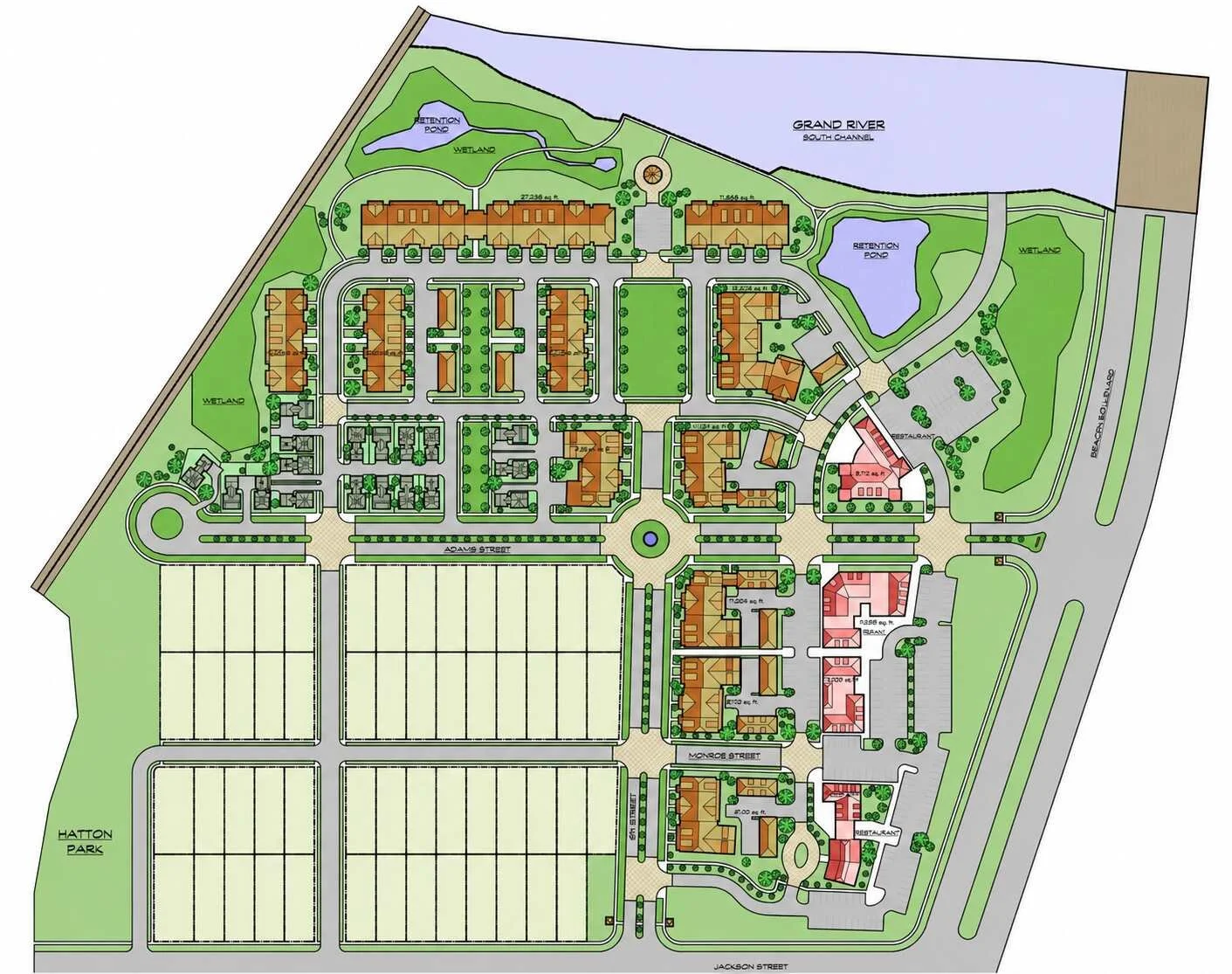
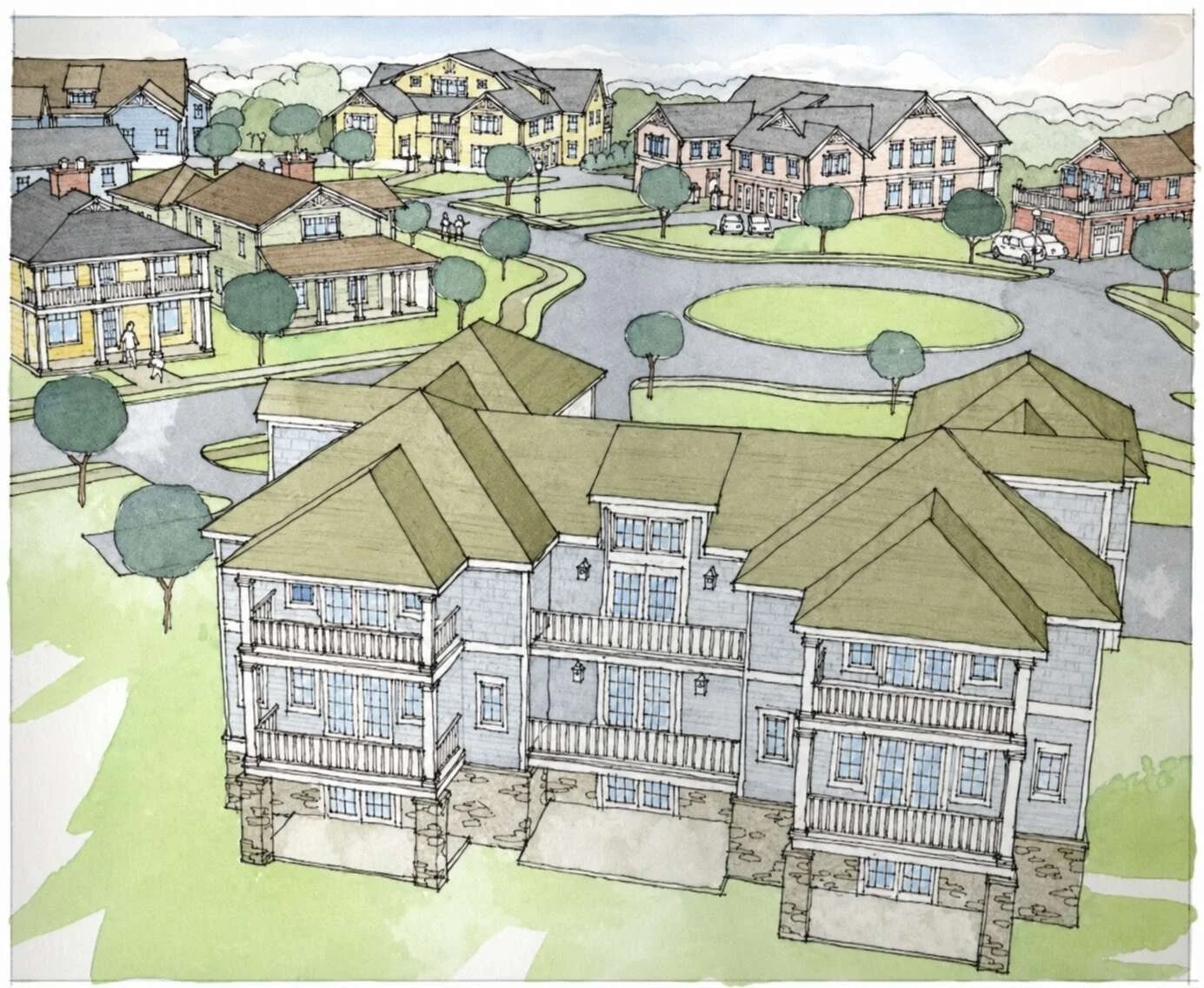
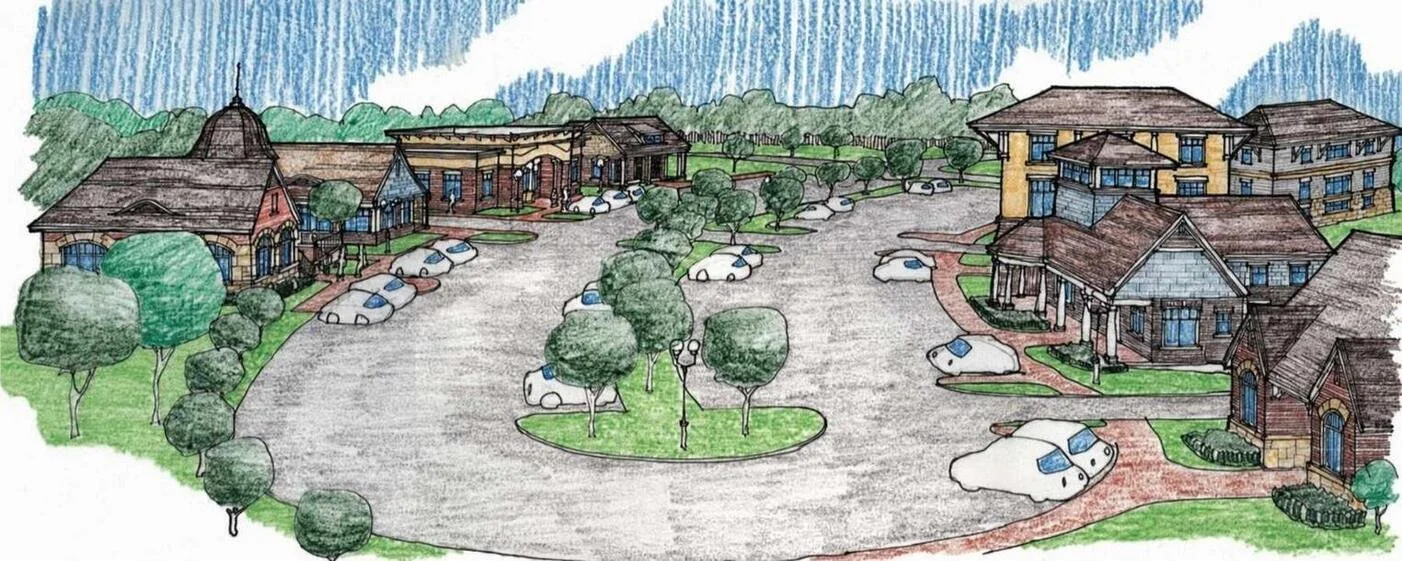
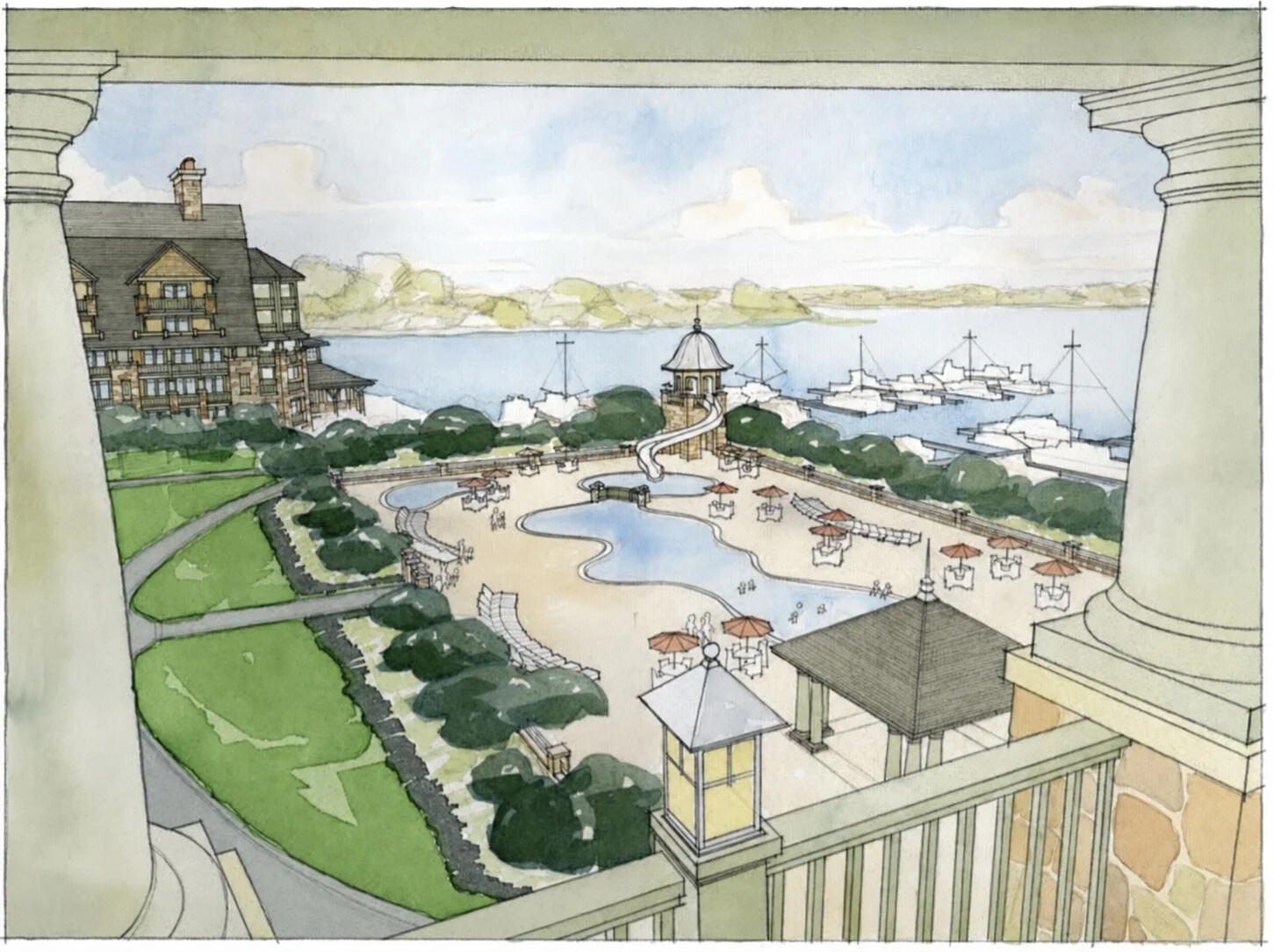
What Does a Retention-Minded Multifamily Project Do Differently From Day One?
A retention-minded project doesn't start with resident routines, balances shared and private experience, and treats acoustics and circulation as priorities rather than afterthoughts. It designs amenities for daily use, not just leasing appeal, and builds flexibility into unit planning and common areas so the building can keep up with how residents actually live. That's the strategic difference between a property built to lease and one built to last.
Build Multifamily Communities Residents Want to Stay In
At Visbeen Architects, retention-minded design shows up in specific decisions on every multifamily project we take on. Because our team works across residential and commercial design, we look at every multifamily project through both lenses at once: how a unit performs as someone's home, and how the building performs as an asset.
Residents leave when a community creates more friction than comfort. Better multifamily architecture design can reduce noise, improve privacy, streamline daily routines, and create a stronger long-term resident experience. Visbeen Architects helps shape multifamily environments that feel practical, livable, and worth renewing.
FAQs
Why do residents leave multifamily communities?
Most residents don't leave because of one major flaw. They leave after a pattern of small frustrations, like noise, awkward shared spaces, and inconvenient daily routines, builds up over the course of a lease.
What design problems cause apartment turnover?
Poor acoustic separation, underused or awkwardly placed amenity spaces, confusing circulation, and daily friction points like parking, package delivery, and trash access are among the most common culprits.
How can multifamily architecture design improve resident retention?
By planning around real resident routines from day one: balancing shared and private space, prioritizing acoustics and circulation, and designing amenities and daily touchpoints for actual use rather than leasing appeal alone.
Do amenities really affect lease renewals?
Yes, but only when they're useful and accessible. The best-performing communities align amenities with resident needs rather than simply adding more of them. Quality over quantity.
Why do noise and privacy matter so much in multifamily housing?
Noise and privacy shape a resident's sense of ownership over their own home. Residents rarely describe the issue as "architecture," but they feel its impact daily, and that impact shows up directly in renewal decisions.
What should developers prioritize before starting a multifamily project?
Developers should prioritize the daily resident experience, not just the leasing experience: acoustics, circulation, amenity usefulness, and the small everyday touchpoints that determine whether a community feels livable over time.