The Architecture of Longevity: Designing the High-Performance Wellness Estate
The New Era of At-Home Wellness
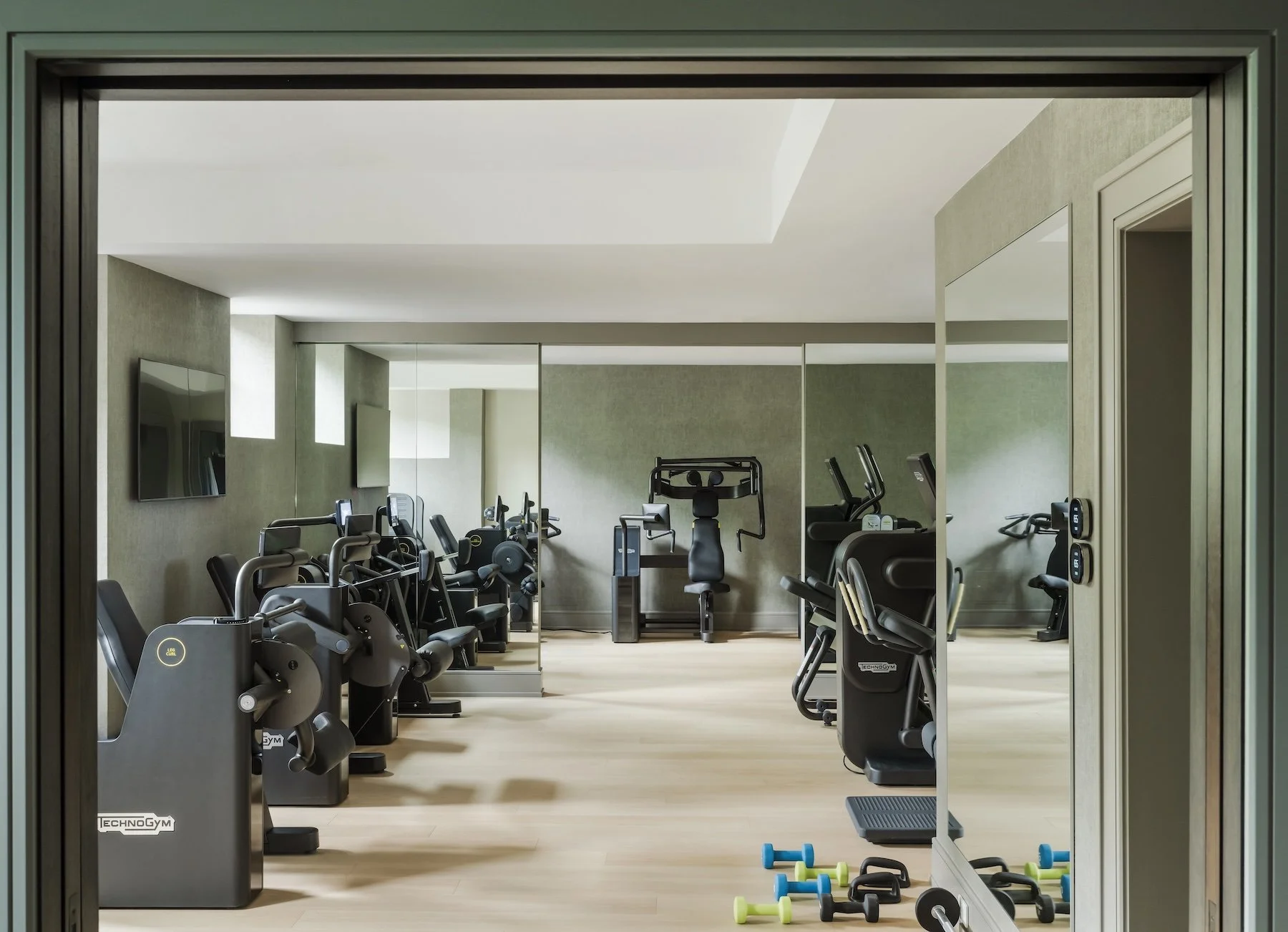
For decades, the "luxury home gym" followed a predictable blueprint: a windowless basement room, a heavy-duty treadmill, and a rack of dumbbells. It was a space of utility to get the work done when you couldn't make it to the club. It was functional, but rarely was it aspirational.
Today, we have moved past the era of the "home gym" and entered the era of the Residential Wellness Center. This is a change not simply in terminology, but in architectural philosophy. Driven by a global boom in longevity science and bio-integrated health, our clients are no longer asking for a place to work out; they are seeking a place to optimize their overall wellness.
The Shift from Amenities to Optimization
The modern high-end homeowner views their residence as their primary tool for health. This has led to the rise of the bio-integrated home, where the architecture must accommodate equipment and environments once reserved for professional sports franchises or clinical longevity labs.
When a home incorporates an array of 15+ specialized exercise machines alongside million-dollar recovery suites, as was the case in one of Visbeen’s most recent custom residential designs, the challenge isn't just finding space but also seamless integration.
Three Pillars of the Wellness Suite
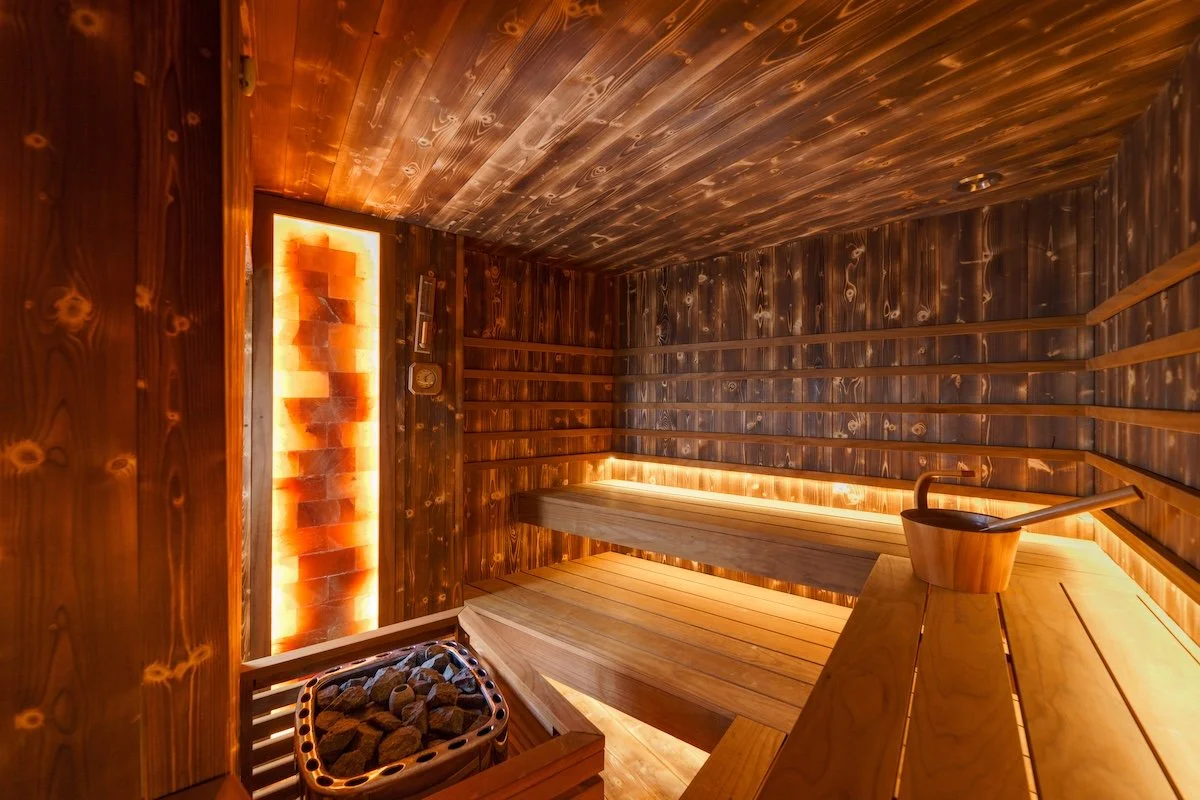
1. The Recovery Lab
The true hallmark of a high-performance home is the dedicated recovery wing. Integrating medical-grade technology requires a deep understanding of residential engineering:
Cryotherapy Chambers: Unlike a standard walk-in, these require specialized venting and nitrogen storage or high-voltage cooling systems.
Thermal Contrast Circuits: Designing the physical "pathway" between a traditional Finnish sauna, an infrared suite, and a cold-plunge pool to optimize the circulatory benefits.
Hyperbaric & Red Light Therapy: These tools require quiet, meditative environments where the architecture recedes to allow the technology to work.
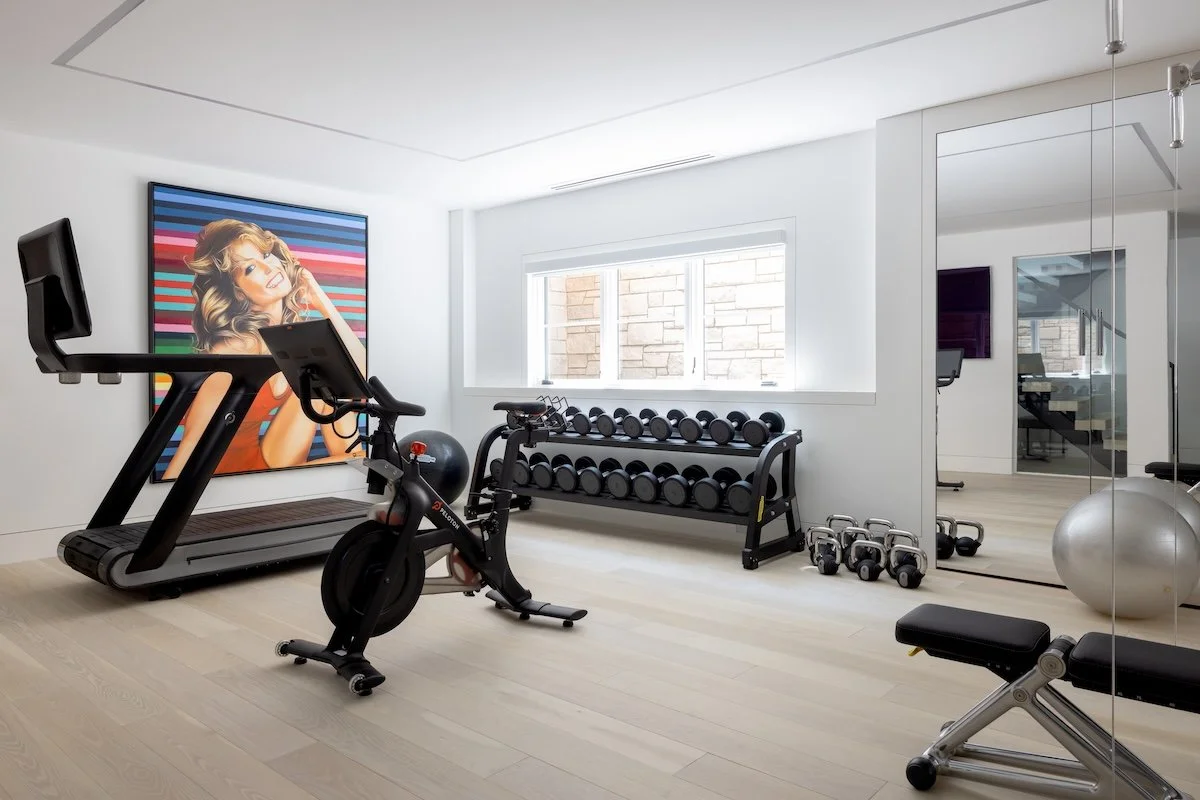
2. High-Capacity Movement Studios
A professional-grade gym involves more than simple floor space. It requires a structural and sensory approach:
Acoustic Engineering: Specialized sub-flooring and sound-dampening wall treatments ensure that a heavy lifting session doesn't disrupt the tranquility of the rest of the home.
Mechanical Load: High-end electronic fitness equipment and advanced HVAC systems (to manage humidity and air purification) must be "invisible" to the eye but "felt" in the air quality.
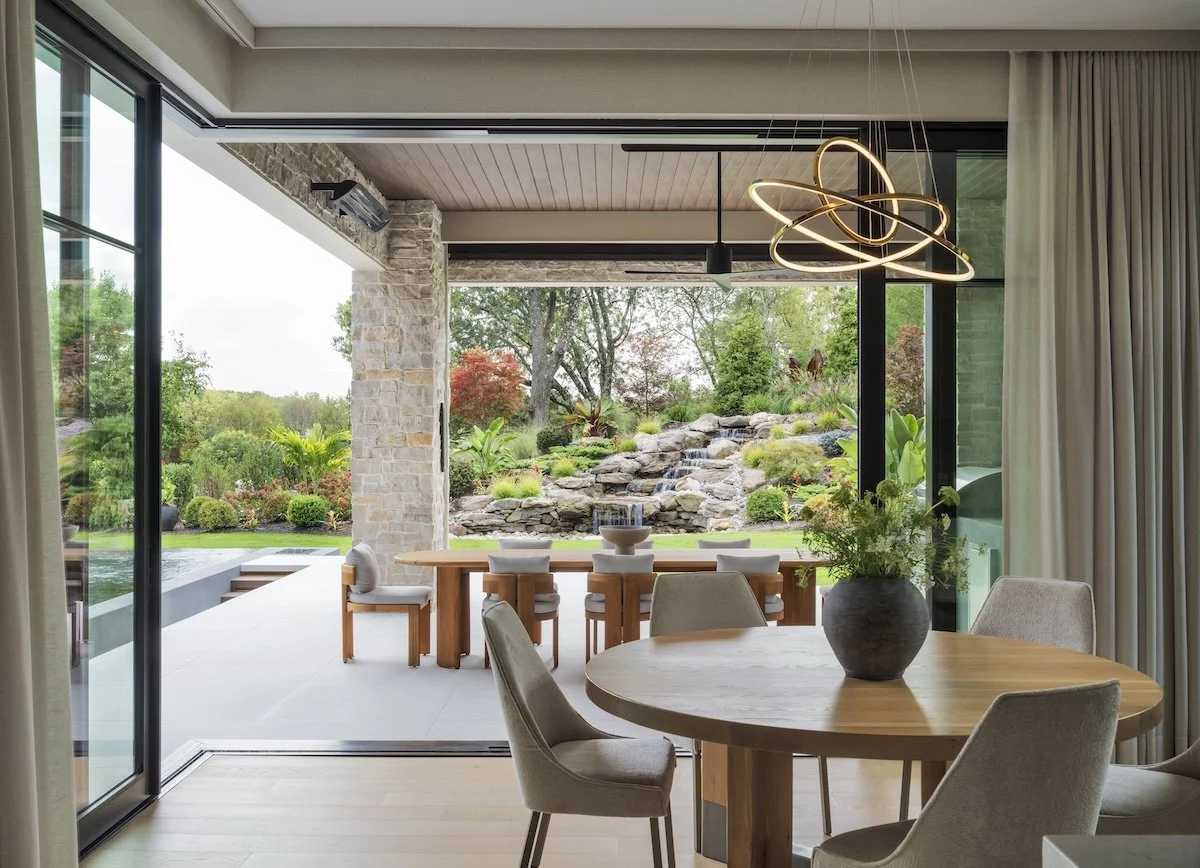
3. Biophilic Synergies
Technology is only half of the equation. True wellness architecture uses the "Passive House" principles to lower cortisol:
Circadian Lighting: Systems that mimic the sun’s natural path to regulate sleep-wake cycles.
Indoor-Outdoor Continuity: Using floor-to-ceiling glass to ensure that even during a high-intensity workout, the inhabitant remains connected to nature.
The Challenges of Professional Integration
Integrating millions of dollars of wellness equipment into a luxury home presents unique architectural hurdles. You cannot simply "plug in" a cryo-chamber.
An architect’s role is to manage the technical friction: increased electrical loads, specialized plumbing for hydrotherapy, and reinforced structural slabs for heavy machinery. The goal is to ensure the wellness wing feels like a sanctuary, not a clinical facility.
The New ROI: Investing in Life Force
The trend toward high-end home wellness is more than a fad. The luxury homeowner will continue to seek out high-end wellness amenities, and the most successful architects will be those who can translate these high-tech tools into a cohesive, tranquil sanctuary. As we continue to push the boundaries of what a home can do, we move closer to a future where our living spaces don't just house us, but provide a foundation for a longer, more vibrant life.
Your home should be your greatest asset in the pursuit of longevity.
Contact us today to begin designing a residence that supports your peak performance.