Before the Foundation: Why Full-Service Site Planning is Your Project's First Step
The Site Comes First
When planning your custom architecture project, it’s a mistake to start with the structure’s design and then try to fit that design onto a piece of land. A truly successful project begins with full-service site planning. This process ensures that the building is not just placed on the site, but is designed with the land, leveraging every unique feature and preparing solutions for anticipated challenges. Regardless of whether the project is residential, commercial, or retail, this is the foundation of a brilliant design.
Why Comprehensive Planning Must Lead the Design
Your site plan should drive your design and determine how your final structure will function. While advising on the ideal lot type to accommodate an already-designed structure can work, this approach is backwards. “Structure before site” limits the land you can buy or forces you to use expensive, compromised design solutions.
A truly comprehensive planning approach dives deep into the details of the property, ensuring every decision is intentional:
1. Navigating the Physical and Legal Constraints
Before beginning design, it is essential to analyze the fundamentals of your property:
Size Matters: The site's overall size is critical, but so is understanding the building footprint in relation to local ordinances. A 10-foot setback requirement drastically changes what can be built compared to the whole lot area.
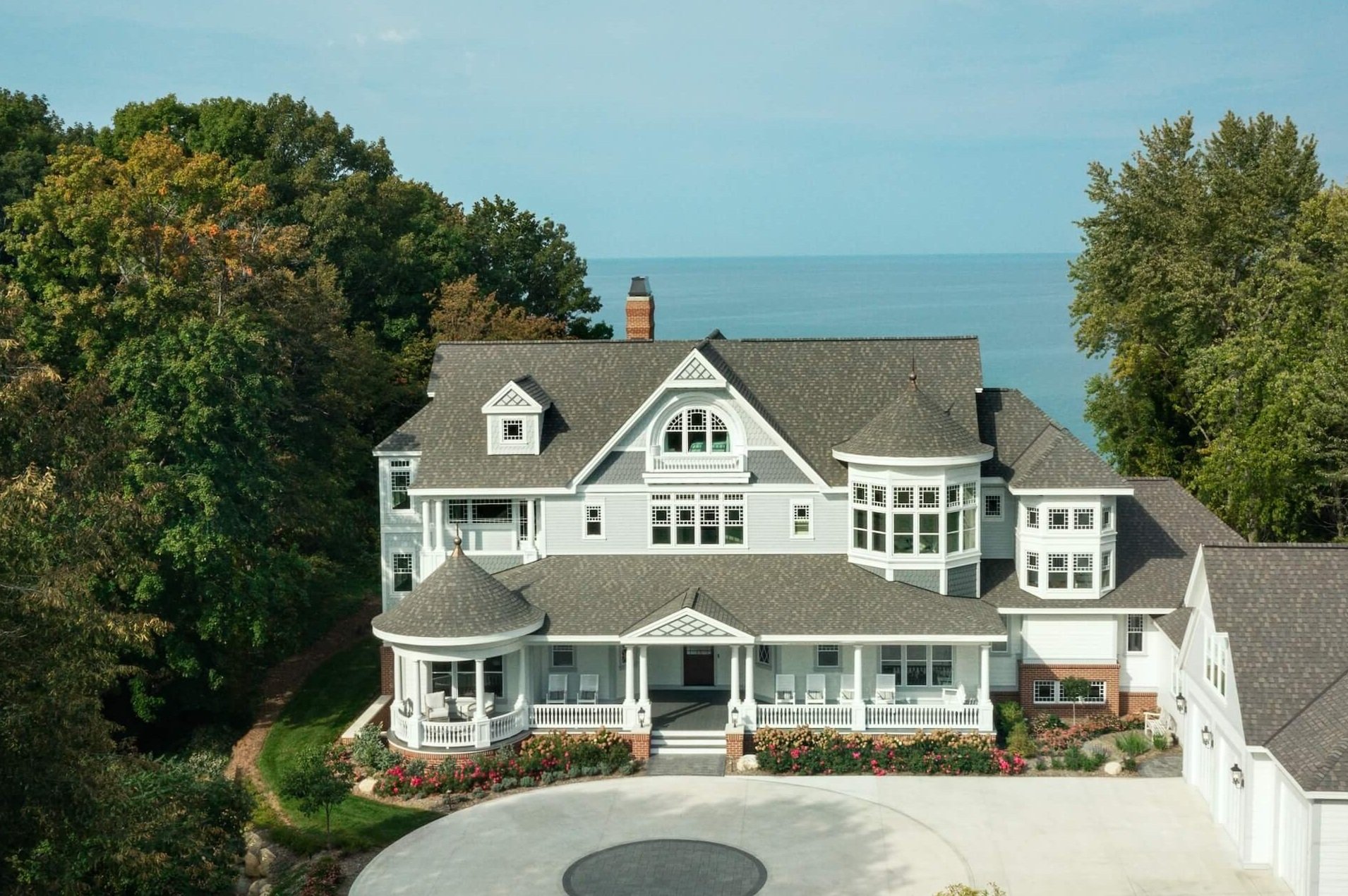
Challenging Terrain: Sites with steep slopes, such as the dunes along Lake Michigan, require expert assessment for potential high-risk erosion. Expert architects integrate solutions into the architectural site plan to protect the integrity of the land and the structure.
2. Mastering Orientation: Sun, Snow, and Views
The direction a structure faces impacts everything from energy bills to daily comfort. Intentional site plan design accounts for crucial directional details:
Sunlight and Weather: Consider the effects of direction, especially in winter climates. Placing a residential garage entry to the south, for instance, gets hit by the sun all day, helping to melt ice and snow naturally and improving functionality.
Sunset/Sunrise: Orient primary spaces, like the living room, dining room, and primary suite in a residential design, to capture the most desired light and views, whether that's the morning sun or a spectacular sunset.
Wind Patterns: For amenities like outdoor kitchens, consider wind direction to prevent grill smoke and heat from bothering guests.
Functional Design Driven by the Site
The most detailed part of full-service site planning is planning the relationship between the structure’s function and the site's specifics. A well-thought-out planning approach addresses these crucial areas:
PRIVACY
Assess the proximity of neighboring buildings and design entrances and windows to ensure the necessary degree of privacy. Is a grand glass entryway appropriate to maximize views, or is more seclusion needed?
ACCESS & CONVENIENCE
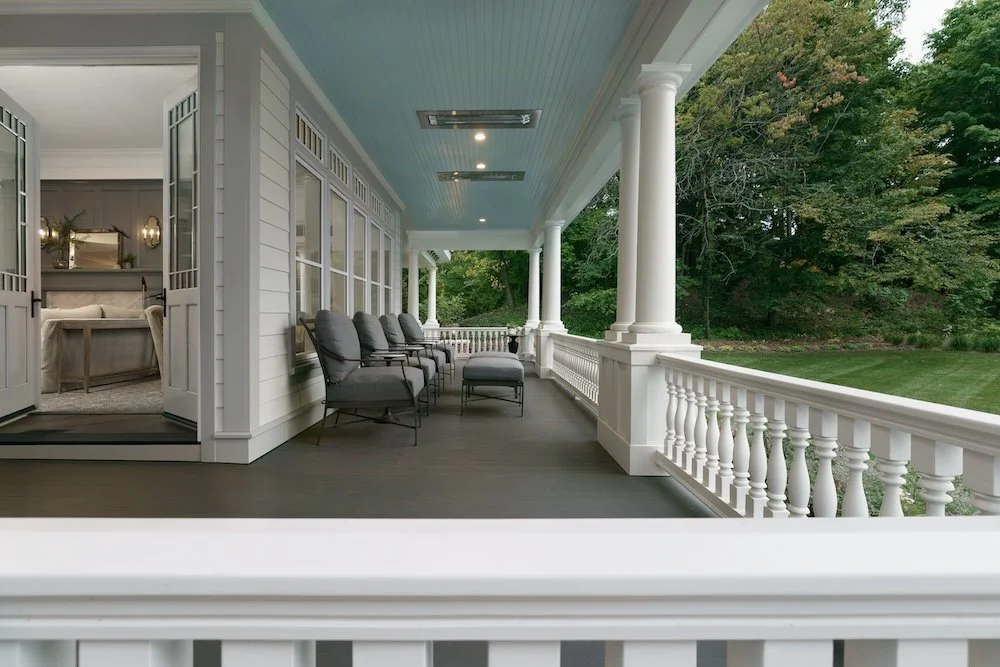
Locate entrances for optimal functionality. For example, ensuring a second entrance for a home near the beach for easy access when toting coolers and beach gear, or installing a mudroom with a dog-wash entry near the garage.

INTERIOR ZONING
Carefully separate a home's private and public areas based on views and access. The primary suite view should be highly private, while a dining room view might be more open.

VIEW OPTIMIZATION
Views are not only important for main spaces like living rooms! Ensure key areas, like the primary suite, primary bathroom, and dining room, have curated, intentional views.
The Visbeen Commitment to Site Plan Architecture
Choosing an architect who provides comprehensive planning from the start saves you time and money and helps avoid frustration. At Visbeen Architects, we don't just design beautiful homes; we design structures that belong precisely where they stand. By using our expertise in site plan architecture, we ensure every aspect of your space, from where the snow melts to the view from your primary suite, is perfectly optimized.

Don't wait until the foundation is poured to realize your project isn't working on your land. Let the experts at Visbeen Architects start your design the right way with expert full-service site planning. Our team is ready to discuss your land and begin the essential first step of comprehensive site planning for your custom project.